
"Natural process"
10000 article(s) found

Coffee washing method Solarization and processing method Taste variety Production area introduction
Sunlight is also known as natural drying because it uses natural sunlight to dry coffee fruits and green beans. Due to the use of artificial and natural processing methods in the process, sun-dried beans look less neat in appearance and sell less well. 1. Bean selection: Put the harvested fruit into a tank filled with water, and the ripe fruit will sink, while the immature and overripe fruits will sink.

Processing Technology of Brazilian Coffee Raw beans Coffee Tree Fine Coffee
The Brazilian coffee industry follows the principle of picking first and screening later, but in other Latin American countries, people only pick fully ripe fruit, and if it is not mature enough, growers will leave the fruit on the tree. Why is there such a big difference between the two methods? The reason lies in the picking and treatment of raw beans. First of all, except for Brazil, the scale is larger.

Introduction to Honey-treated Fire Phoenix Manor Coffee in the Central Valley of Costa Rica
The natural treatment process of French Sika is quite laborious. The artificially picked high-sugar coffee fruit is first placed in an African viaduct in the sun for about 10 days, and then placed in a plastic-covered greenhouse to create more direct heat and continue to dry. until the water content reaches 11.5%. The slow drying process allows raw beans to develop more natural sweetness from within, but it also needs to be more careful.

Organic coffee beans grown in the shade of organic coffee trees are organic high-quality beans grown by natural methods.
Organic coffee is coffee that does not use synthetic pesticides, herbicides or chemical fertilizers during its growth. A brief introduction to these ways of growing coffee is conducive to maintaining a healthy environment and keeping the groundwater pure. After the coffee is harvested, be sure to use an organically certified roaster to process the coffee beans. Organic coffee is grown in the shade of trees.
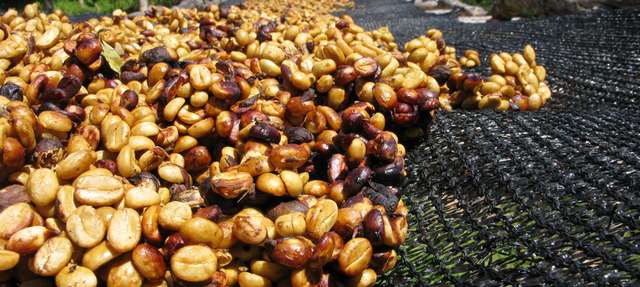
Coffee treatment, honey treatment, yellow honey, red honey, black honey, invented by Costa Rica.
Juxtaposed with the two traditional treatment methods, water washing and sun treatment, honey treatment has also become a unique method in coffee treatment. Honey treatment, that is, honey or miel,honey means honey, and miel means honey in Latin, so beans made in this way are always reminiscent of sweet. On many occasions and under many conditions, it seems that pluped natural treatment

Introduction to the Flavor and Taste of Coffee Manor in Costa Rica
The natural treatment process of French Sika is quite laborious. The artificially picked high-sugar coffee fruit is first placed in an African viaduct in the sun for about 10 days, and then placed in a plastic-covered greenhouse to create more direct heat and continue to dry. until the water content reaches 11.5%. The slow drying process allows raw beans to develop more natural sweetness from within, but it also needs to be more careful.

Introduction to the characteristics of taste grinding degree of coffee bean varieties described by natural washing method
Natural washing coffee introduction after washing, at this time, coffee beans are still wrapped in the pericarp, moisture content up to 50%, must be dried, so that the moisture content is reduced to 12%, otherwise they will continue to be mellow, mildew and rot. The better treatment is to use sunlight to dry, although it will take 1-3 weeks, but the flavor is very good and very popular. In addition, machines are used in some places
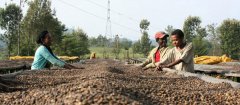
Flavor, characteristics, taste and manor introduction of naturally fermented Ethiopian coffee
Ethiopia has unique natural conditions suitable for growing all imaginable varieties of coffee. As a upland crop, Ethiopian coffee beans are mainly grown in areas between 1100 and 2300 meters above sea level, roughly distributed in southern Ethiopia. Deep soil, well drained soil, weakly acidic soil, laterite and soil are soft and contain
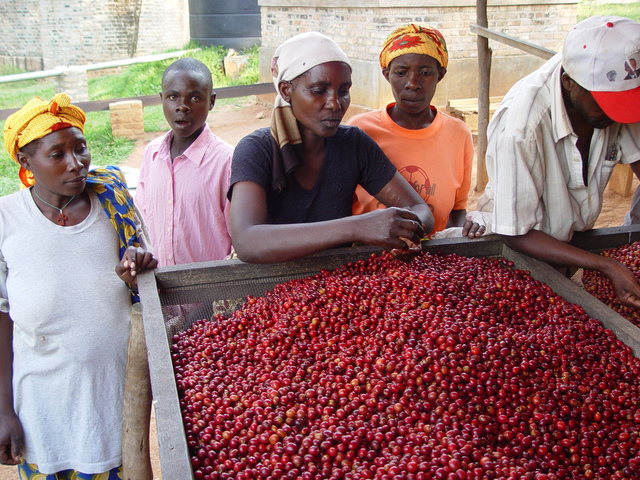
The processing method of raw coffee beans in China Coffee Network the method of solarization in Ethiopia Yega Xuefeijia
Due to the use of natural sunlight to dry the fruits and raw beans of coffee, it is also called natural drying. Due to the use of artificial and natural treatment methods in the process, the sun-cured beans look irregular and unflattering in appearance. 1. Choose beans: put the harvested fruit in the water tank, and the ripe fruit will sink, while the unripe and overripe fruit

The difference between plain coffee and instant coffee-coffee review
About the production process, instant coffee is made from coffee beans after baking and grinding, adding fungicides, stabilizers, pigments, flavors and other chemical substances, and then high-pressure pulping and spray drying into powder particles, while the natural coffee in the coffee shop is after the coffee trees are picked, the raw beans are processed by physical processing such as washing or drying, and then roasted. About the taste of instant coffee in

Explain in detail the water washing method of coffee and raw beans: how long is the water washing method? What are the precautions?
Professional coffee knowledge exchange more coffee bean information Please follow the coffee workshop (Wechat official account cafe_style) every coffee producer needs to understand several factors that affect coffee quality, namely, estate management, raw bean processing after coffee harvest, coffee roasting, and coffee brewing. Each of these four stages will affect the quality of coffee. Coffee producers do not have to

Flavor description of sunburned Kaduai Coffee beans introduction of Grinding scale varieties in Taste producing area
Description of the flavor of sunburned Kaduai coffee beans the variety of grinding scale in the producing area introduces the sun drying method because it uses natural sunlight to dry the fruits and raw beans of coffee, so it is also called natural drying method. Due to the use of artificial and natural treatment methods in the process, the sun-cured beans look irregular and unflattering in appearance. 1. Select beans: put the harvested fruit into water

Ethiopian Coffee processing in Ethiopian Coffee producing areas
A large amount of coffee production (95%) is done by small shareholders, with an average yield of 561 kg per hectare. For centuries, minority holders of Ethiopian coffee farms have been producing a variety of high-quality types of coffee. The secret of producing high-quality coffee is that coffee growers have developed environmental conditions through generations of repeated learning about the coffee planting process.

How many treatments are there for Brazilian coffee? Brazilian coffee flavor
The four most common treatment methods of Brazilian coffee are natural solarization, desizing, semi-washing and water washing, among which natural solarization is the most popular. Since the harvest seasons in Brazil's two main producing areas, Serrado Minero (CerradoMineiro) and Mogiana Paulista (Mogiana Paulista), are both dry seasons of the year, natural solarization is popular in this region.

Treatment of Coffee fruits Coffee bean treatment
I would like to introduce the treatment of coffee fruits and the comparison of different ways. The following picture shows an enlarged coffee bean with pectin, in which pectin, parchment, silver skin and raw beans are clearly distinguished. Classification of Processing Method Coffee Fruit treatment methods are divided into dry (Dry Processing) and wet (Wet Processing) treatments according to whether the peel is removed or not.

Costa Rican Single Product Coffee Recommended Lajas Estate Raisin Sun-treatment
Professional coffee knowledge exchange More coffee bean information Please pay attention to Coffee Workshop (Weixin Official Accounts cafe_style) Costa Rica Las Lajas Estate Villasarchi Raisin Natural Process Coffee Black Soul Costa Rica Lajas Estate Raisin Raisin Natural Process Coffee Red Cherry Plum Sweet White Wine Origin: Cent

Introduction to the flavor and taste of Ethiopian coffee beans grade classification of Ethiopian Sidamo coffee beans
Ethiopia has unique natural conditions suitable for growing all imaginable varieties of coffee. As a upland crop, Ethiopian coffee beans are mainly grown in areas between 1100 and 2300 meters above sea level, roughly distributed in southern Ethiopia. Deep soil, row

Coffee bean flavor black coffee with different coffee bean dry, semi-dry, wet and honey treatments
Coffee beans are treated in the following ways: sun (Natural); half-sun (Semi-Natural or Pulped-Natural); Honey processing (honey) and Washed (washing). Our most common treatment is Washed. The washing treatment means that after the coffee fruit is harvested, the immature and immature coffee fruits are screened out in a special way.

Description of the Flavor of Coffee picking and processing introduction to the characteristics of Coffee varieties in planting Environment
Introduction to the characteristics of varieties in the planting environment and production areas in Yunnan, this process is mainly accomplished by natural fermentation. The term fermentation is not 100% accurate because there is no biochemical reaction inside the coffee beans. It is more appropriate to call this process the use of biochemical reaction or hydrolysis to remove mucus. This reaction is caused by coffee berries.

Variety characteristics of naturally fermented sun-cured Ethiopian coffee introduction to the flavor of fine coffee beans in the manor
Ethiopia has unique natural conditions suitable for growing all imaginable varieties of coffee. As a upland crop, Ethiopian coffee beans are mainly grown in areas between 1100 and 2300 meters above sea level, roughly distributed in southern Ethiopia. Deep soil, well drained soil, weakly acidic soil, laterite and soil are soft and contain